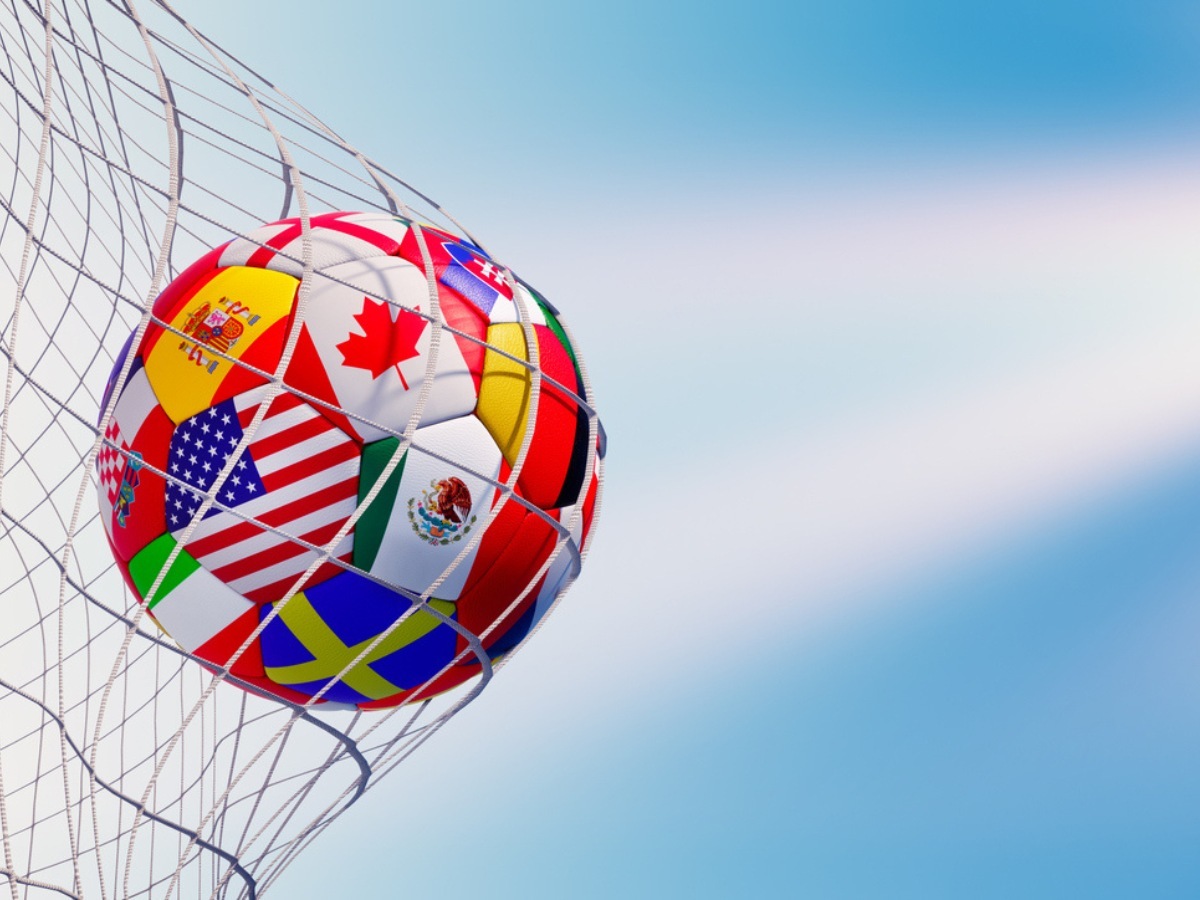
The FIFA World Cup Tests More Than Stadium Capacity.
The 2026 World Cup is the largest tournament in history, bringing millions of visitors from around the world to communities across the United States, Canada, and Mexico. For healthcare providers, public agencies, transportation systems, hospitality organizations, event operators, and other public-facing services in those cities, that means one thing:
Communication will become far more complex.
Language access is often planned around the populations organizations serve every day. Global events are different. They introduce new languages, unexpected demand patterns, and sudden spikes in utilization that can strain even well-established programs.
The organizations that navigate these moments most successfully aren't necessarily the ones with the biggest language access programs. They're the ones with solutions designed to adapt when communication needs change.

The Challenge Isn't Just More Languages.
It's facing unpredictable needs.
A hospital that primarily supports Spanish-speaking patients may suddenly need access to Polish, Arabic, Korean, Japanese, Serbian, or dozens of other languages. A city agency may encounter visitors from countries rarely represented in its local population. Transportation providers, hotels, and event staff may find themselves supporting guests with communication needs they've never encountered before.
You won't always know which languages will be needed...
The key is being ready for whatever demand emerges.
That's why organizations supporting FIFA 2026 (and any organization serving international communities) should think beyond language access as a compliance requirement or an operational checkbox. Global events create a unique opportunity to evaluate whether existing communication resources can scale, adapt, and perform under pressure.
USA Host City Hospital Planning for Language Complexity
Kansas CityExpects a 6–8% increase in patient demand during FIFA 2026 and has spent more than 18 months preparing, including expanding translation services for international visitors. Read more |
HoustonPreparing for 500,000+ international visitors, expanding virtual interpretation services that already support patients speaking more than 90 languages. |
Global Events Are a Stress Test for Language Access.
Ask the hard questions now.
Most organizations already have some form of language access in place. Even so, it's important to ask if that solution was designed for global-scale demand or localized spikes in need.
Global events don't just test operations.
They test the resilience of the systems supporting them.
When millions of international visitors arrive, communication needs become less predictable. New languages emerge. Utilization patterns shift. Demand spikes can occur with little warning. Now is the time to ask:
- Can we access rare and emerging languages when demand changes?
- Can our language access partner scale quickly during surges?
- Will service levels remain consistent during peak demand?
- Is language coverage dependent on a single region or staffing model?
- Can new departments, locations, or teams get connected quickly if needs expand?

Built for the Unexpected.
Language demand in global events rarely follows a forecast.
We know how critical language access is. That's why Jeenie's interpreter network is designed with flexibility, geographic diversity, and surplus capacity built in.
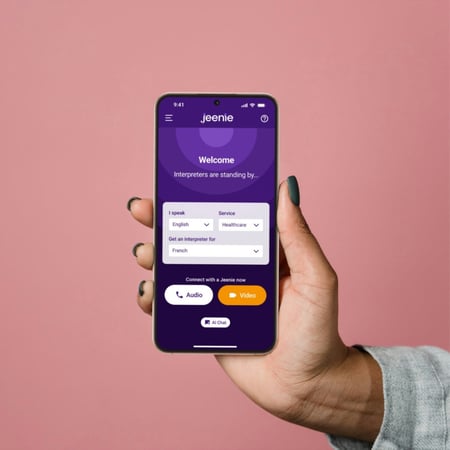
Jeenie maintains excess funnel capacity to absorb demand spikes. Our global network also reduces dependence on any single market, creating resilience during local disruptions, weather events, or regional demand surges.
Beyond FIFA, this approach has helped our clients navigate everything from refugee resettlement efforts and public health emergencies to sudden increases in demand for rare and indigenous languages, including Q'eqchi' and Rohingya.
Supporting Communities Across FIFA Host Cities.
Organizations welcoming World Cup visitors use Jeenie.
Our clients include healthcare organizations, government agencies, businesses, and nonprofits serving diverse populations across FIFA host regions. Every day, they rely on Jeenie to connect patients, customers, and community members with qualified interpreters across hundreds of languages. When global events drive demand higher, they already have a partner ready to handle it.
Communication Is Part of the Experience.
The ball is in your court...
When people travel internationally, every interaction matters. Receiving medical care. Reporting an emergency. Navigating transportation. Checking into a hotel. Accessing public services. Attending an event.
In these moments, language access isn't just an operational necessity...it's also part of the experience itself. The organizations that stand out are the ones that ensure visitors can be understood, wherever they turn. Because when the world arrives in your community, communication becomes part of your hospitality.

If the World Is Coming.
You can handle it.
Whether you're supporting FIFA 2026, hosting an international event, managing seasonal tourism, welcoming newly arrived communities, or responding to unexpected demand, the goal remains the same: make communication effortless.
Because when the world shows up, being understood should be part of the welcome. These three things can make all the difference:
Choose a language access partner built for scale.
Train your teams to use it confidently.
Embed language access into the experience.
Need Interpreters for Something Big...Fast?
Our platform is built for this.
Not every organization begins planning months in advance. Sometimes demand appears suddenly, or a service fails to deliver when you need it most.
That's when you need language access as adaptable as you are.
Jeenie gets organizations up and running in minutes, providing the flexibility, capacity, and confidence to weather the fans (or the storm) with seamless access to professional interpreters whenever and wherever they're needed.
Language access for major events
has never been easier.


.jpg)