Language Access Is Now a Patient Safety Requirement:
What the New Joint Commission Update Really Means for Hospitals
The Joint Commission’s newest report on National Performance GoalsTM for the Hospital Program (effective January 2026) makes one thing clear for 2025 and beyond: language access is now a formal patient safety requirement, not just a quality initiative.
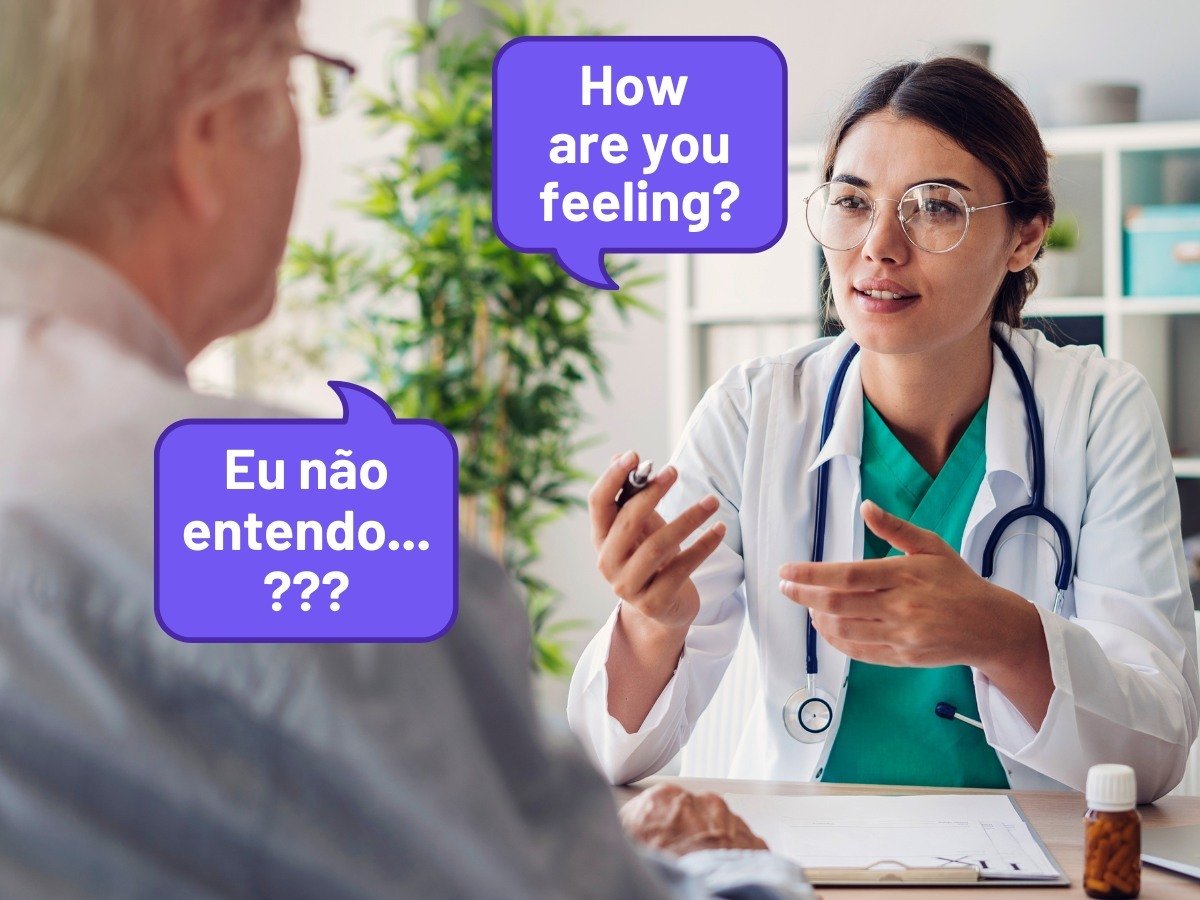
Healthcare teams have been working for years to improve communication with Non-English Preferred (NEP) patients — this guidance simply raises the bar and aligns accreditation standards with what clinicians already know: great care requires clear understanding.
Here’s what changed, why it matters, and what providers need to be ready for.
 The JC’s Message in Plain Language: Safe care requires language access.
Communication is now a defined patient safety standard
The National Patient Safety Goals (NPSGs) reinforce what many clinicians experience daily: miscommunication is a leading cause of preventable harm. Language barriers aren’t edge cases anymore — they sit at the core of patient safety.
The Joint Commission references goals #4 and #7 in its latest "National Performance Goals™ Effective January 2026 for the Hospital Program."
Goal #4: “The hospital prioritizes excellent health outcomes for all.”
This goal now requires hospitals to:
-
Stratify outcomes by preferred language
-
Provide community materials in the most common patient languages
This shift treats language preference as a critical variable in quality, equity, and care planning — not a detail on a form.
Goal #7: “The hospital respects the patient’s right to safe, informed care.”
JC is explicit: patients need information delivered in the language they understand, especially for:
-
Informed consent
-
Discharge
-
Care planning
-
Medication instructions
The Evidence: Language Access Directly Impacts Patient Safety
A leading study (Divi et al., International Journal for Quality in Health Care, 2007) shows:
-
LEP patients experience more adverse events
-
Those events are more likely to have serious clinical consequences
-
Professional interpreters significantly reduce communication errors
LEP patients who receive care from professional interpreters are 40% less likely to experience serious adverse events than those relying on untrained interpreters or family members.

Why Providers Need to Prepare Now
Poor performance on patient safety doesn’t just affect a score — it affects accreditation, reimbursements, and trust. Strengthening language access reduces both clinical and operational risk.
Here’s the short list of real-world impacts:
Accreditation riskJC findings can trigger follow-up surveys or, in severe cases, jeopardize accreditation — a prerequisite for Medicare/Medicaid billing |
CMS repercussionsCommunication-related harm impacts Conditions of Participation, which can lead to frozen reimbursements or corrective action plans |
Liability exposureCases involving poor communication or inadequate consent carry higher legal risk, especially when documentation is thin |
Financial + reputation effectsSafety outcomes influence value-based purchasing programs and appear in public reports that shape community trust |
Staff moralePoor communication leads to errors, near misses, and emotional burnout. Strong language access protects clinicians too |
Better outcomesAs stated earlier, skilled interpreters significantly improve NEP patient outcomes, LOS, and rate of recurrence |
The bottom line: Investing in language access protects patients and the organization.

Your Language Access Partner Matters
To meet these rising expectations, providers need a reliable, world-class language access partner they can count on.
At Jeenie, we support thousands of healthcare teams with fast, accurate Human+AI interpreting — backed by reporting, quality controls, and the data visibility needed for confident Joint Commission audits. We're here to make the compliance part easier, the safety part stronger, and the day-to-day workflow smoother.
Jeenie delivers
See how this large community health center client with over a dozen locations improved equity and efficiency. Simply put, quality language access leads to broader gains — from smoother workflows, to better patient rapport, happier clinicians, and measurable ROI.
Closing Thought: Providers Are Ready
— and Patients Will Feel the Difference
Healthcare teams are already committed to delivering safe, equitable, informed care. The Joint Commission’s update simply clarifies the standard and gives providers a stronger framework to meet it. By strengthening language access and ensuring patients receive information in the language they understand, providers elevate safety, support staff, and build trust.

.jpg)